Since my recent post on the current round of the Israeli-Palestinian peace process I’ve received many responses, via comment, in person, and email. Here’s one of the most thoughtful and challenging, sent to me by a good friend. Click at the finish for my response:
As the Midrash (Leviticus Rabbah 9) teaches, “Great is Peace, since even in a time of war, one should begin with peace…”
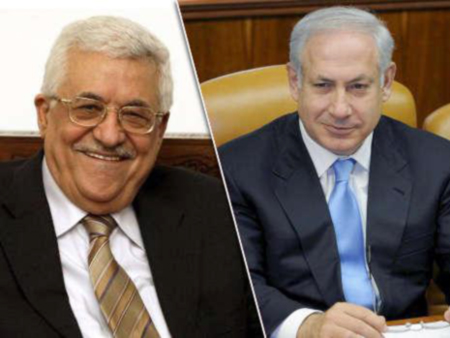
Even now, when the prospect of achieving peace seems so remote and the hostility from some in the Netanyahu government so hostile, we as Jews are commanded to pursue peace. This doesn’t mean that we should be Pollyannaish about the possibilities of success in the upcoming talks, but neither should we give up before they’ve started. There is always the possibility, however remote, that Netanyahu will decide to take the bull by the horns and do a Nixon to China like move. Those of us who care deeply must encourage the best possible outcome. After all, if these talks fail and the Palestinian Authority disintegrates, where will this leave in terms of security in the West Bank and international credibility? Where will it leave President Obama who has hinged so much of his foreign policy on resolving the conflict? These are serious and weighty matters for Israel and the U.S.
I know that the political maneuvering around peace talks can be very discouraging for those like you who are trying to improve the situation on the ground. Politicians make all sorts of moves that are hard to swallow. Hillary Clinton, for example, started out very strongly on human rights issues leading the way for international financial assistance to Gaza following the war and strong denouncing settlement building in East Jerusalem. To get to these talks, she has become much more restrained in response to both the failure of the settlement freeze policy and to fear of attacks from the right wing (both Jewish and Christian) in characterizing Obama as anti-Israel. There is a place for politics in moving things forward, but it operates in a very different manner than truth telling. Mobilizing support from people with a broad range of perspectives involves compromises that can be very hard to swallow, but until we find a way to win over broader grassroots support, this is the price we will pay until then.
I admire your decision as a prominent rabbi to telling the truth about the on the ground situation in Israel and Palestine. This is extremely difficult to look at for many of us, and yet you have decided to unflinchingly dive in headfirst. However, I believe that your framing the political process in opposition to justice on the ground is quite problematic and ultimately more harmful to your dreams than heuylpful.
I cannot praise your glorification of hopelessness and the messianic like idea that we cannot pursue peace until there is justice. We cannot stop seeking peace and we cannot stop seeking justice, and we must use all of the tools at our disposal including politics and including truth telling.
Most importantly, if you really want to “extend civil rights, human rights, equity and equality for all inhabitants of Israel/Palestine” then you will need every possible ally. Please don’t make yourself the leader of an exclusive club that turns away your natural allies for lack of moral purity. It’s so much easier to stand on supposed high moral ground and criticize those who imperfectly seek to bring about change than to do the dirty work of making it happen. In the end, we all need each other if we’re going to move this forward.



 Shalom Rav